Showing posts with label lifestyle. Show all posts

Friday, December 22, 2023

Extend the Lifespan of Your Window Blinds with Proper Upkeep

As the days get shorter and temperatures get cooler, many of us look forward to the coziness and warmth created within our own homes. Window treatments like blinds play an important role in regulating sunlight, providing privacy, and affecting a room's overall aesthetic and mood. However, over time, blinds can become worn down and lose their functionality if not properly cared for.

With just a bit of regular maintenance, window blinds can last for years—continuing to serve both practical purposes and bringing style to your living space. In this post, we'll share some simple tips for extending the lifespan of your blinds so they can accompany you through many more seasons to come.

Window Blinds Step-by-Step Maintenance Guide

Maintaining your window blinds is as easy as incorporating a few steps into your regular cleaning routine. By setting aside just a little bit of time each week, you can keep your blinds in top-notch condition and prevent any unnecessary wear and tear. Here's a step-by-step guide to help you do just that:

Step 1: Regular Dusting

Dust is the biggest enemy of window blinds. Over time, dust can accumulate and make the blinds look dingy and can even damage the finish. A simple dusting once a week can prevent this. Use a microfiber cloth or a vacuum with a brush attachment to gently remove dust. Start at the top and work your way down, dusting both sides of the blinds.

Step 2: Spot Cleaning

Occasionally, blinds will have stubborn stains or grime that dusting can't remove. For these, you'll need to do some spot cleaning. Prepare a mild soapy solution, dampen a cloth with it, and gently clean the affected area. Always dry the blinds afterward to prevent water spots and damage.

Step 3: Deep Cleaning

Once or twice a year, your blinds could benefit from a deep cleaning. This can involve removing them and soaking them in a bathtub with some mild detergent, then gently scrubbing them with a soft brush. Remember to rinse thoroughly and allow them to dry completely before rehanging them.

Step 4: Regular Check-ups

Regularly check the cords and mechanisms of your blinds. These parts can often wear out before the blind slats themselves, so keeping an eye on them can help you spot issues before they become major problems. If you notice any issues, get them repaired promptly to prevent further damage.

Step 5: Avoid Overexposure to Sunlight

While blinds are meant to manage the flow of sunlight into your room, prolonged exposure to harsh sunlight can cause discoloration, warping, or even cracking in some materials. Use sunshades during peak sunlight hours, or rotate the blinds you use to prevent the same set from getting overexposed.

Step 6: Proper Handling

Many issues with blinds arise from improper handling. Always use the cords when opening and closing blinds rather than pulling on the slats themselves. Twisting the rod to open and close the blind slats instead of pulling them apart will prevent damage.

Step 7: Ventilation

Humidity can be detrimental to certain types of blinds, especially wooden ones. Always ventilate your rooms well, particularly after cooking or showering, to prevent moisture from settling on your blinds.

Tip: Use Professional Services

If your blinds are severely damaged or very high-end, it might be best to rely on professional cleaning services. They have the right tools and expertise to handle delicate materials and complex mechanisms, ensuring your blinds are well-maintained without further damage. Contact a window treatment company today to learn more about maintaining your blinds and to schedule a professional cleaning service if needed.

FAQ

How do I know if my window blinds are due for a replacement?

If your blinds are showing signs of significant wear and tear, such as broken or missing slats, damaged cords or mechanisms, or discoloration and warping, it may be time for a replacement. You can also consider replacing them if you simply want to update the look of your room.

Can I clean my blinds while they are still hung on the window?

It is possible to clean your blinds while they are still hung, but it may not be as effective as removing them and cleaning them thoroughly. Additionally, some blinds may be too delicate or complex to clean while hanging effectively.

How often should I deep clean my window blinds?

It is recommended to clean your window blinds deep at least once a year, though you can do it more frequently if your blinds are exposed to significant dust, dirt, or grime.

Conclusion

Window blinds can add functionality and style to any room. With proper upkeep and maintenance, they can last for years while continuing to serve their purpose. By following these simple steps, you can extend the lifespan of your window blinds and enjoy them for many seasons to come. Remember also to contact professionals for assistance if needed, and never hesitate to replace your blinds if they are significantly damaged.


a collab with Bumble Bee Blinds

Tuesday, December 19, 2023

Insulating Windows and Doors: Enhancing Efficiency and Reducing Drafts


Insulating windows and doors is a crucial aspect of home maintenance that often goes overlooked. However, it plays a significant role in maintaining indoor temperature, enhancing energy efficiency, and reducing troublesome drafts. 

A well-insulated home can provide a comfortable living environment year-round and lead to substantial energy bill savings. This guide will explore various methods of insulating windows and doors and their pros and cons to help you make an informed decision for your home. 

Why Insulation is Important

Insulation acts as a barrier between the inside and outside of your home, preventing heat flow from escaping or entering. In simpler terms, it keeps unwanted cold air out during winter and retains cool air during summer. This process helps maintain an ideal indoor temperature without overworking your heating or cooling systems.

Additionally, proper insulation also reduces drafts, which are caused by air leaks around windows and doors. Drafts can create an uncomfortable living space and significantly increase energy bills as your heating or cooling systems work harder to compensate for the lost heat or cool air.

Therefore, insulating your windows and doors is crucial in enhancing comfort, reducing energy consumption, and lowering utility costs.

Methods of Insulation

There are various methods of insulating windows and doors, each with advantages and disadvantages. Let's take a look at some of the most common ones:

Weatherstripping

Weatherstripping involves sealing gaps between window or door frames to prevent air leaks. It’s an affordable and easy-to-install option for temporary insulation. However, it may not be as effective in extreme weather conditions and must be replaced frequently.

Caulking

Caulking is another method of sealing gaps around windows and doors using a waterproof sealant. It provides a more permanent solution than weatherstripping but can also be time-consuming and require reapplication if it cracks or shrinks over time.

Insulated Curtains or Shades

Insulated curtains or shades are an effective option for insulating windows. They act as a barrier between the window and indoor space, preventing heat loss or gain. However, they may not be as aesthetically pleasing and can be costly to install.

Foam Tape

Foam tape is an inexpensive option that involves placing adhesive foam strips around the edges of windows or doors. It provides a temporary solution to insulate against drafts but may not be as effective in extreme weather conditions and can leave a residue when removed.

Window Insulation Film

Window insulation film is a clear plastic sheet applied to the windows' inside using double-sided tape. It creates an air pocket between the window and the film, acting as a barrier against heat transfer. 

While it's relatively inexpensive and easy to install, it may not be as durable and can reduce visibility through the window. Learn more about this by talking to an insulation contractor in your city.

Insulated Window or Door Inserts

Insulated window or door inserts are custom-made panels that fit inside the existing frames. They provide a more permanent and efficient solution but can be costly and require professional installation.

Additional Tips to Insulate Doors and Windows

Using Draft Stoppers

Draft stoppers, or door snakes, are simple yet effective tools to prevent drafts from entering through the gaps under doors. They are typically filled with insulating materials and can be easily placed or removed. You can make your draft stopper using old socks or towels for a cost-effective solution.

Regular Maintenance and Inspection

Regular maintenance and inspection can go a long way in maintaining the efficiency of your window and door insulation. Check for any visible cracks, gaps, or damages and repair them promptly. If weatherstripping or caulking is worn out or damaged, replace it immediately.

Use of Thermal or Blackout Curtains

Traditional curtains or blinds can be replaced with thermal or blackout curtains. These curtains have a special lining that insulates against heat loss in the winter and heat gain in the summer. They also have the added benefit of blocking out light, making them ideal for bedrooms or rooms with TVs or computer screens.

Double Glazing 

Consider double glazing if your budget allows. This involves having two panes of glass with an insulating gap in between. This gap can be filled with an inert gas, which is a poor conductor of heat, enhancing the insulation properties of the windows.

Use of Window Quilts

Window quilts are thick, insulating blankets that can be hung over windows during cold weather. They provide an additional layer of insulation, helping to prevent heat loss. While not the most aesthetically pleasing option, they can be very effective, particularly for older, drafty windows. 

Conclusion

Insulating windows and doors is important to maintaining a comfortable and energy-efficient home. With various methods available, it's essential to consider factors such as cost, effectiveness, and durability when choosing the right insulation for your home. 

Regular maintenance and additional tools like draft stoppers can help keep your home well-insulated. By taking these steps, you can reduce drafts and energy consumption, leading to lower utility bills and a more comfortable living space.


A collab with ifoam.com

Sunday, December 17, 2023

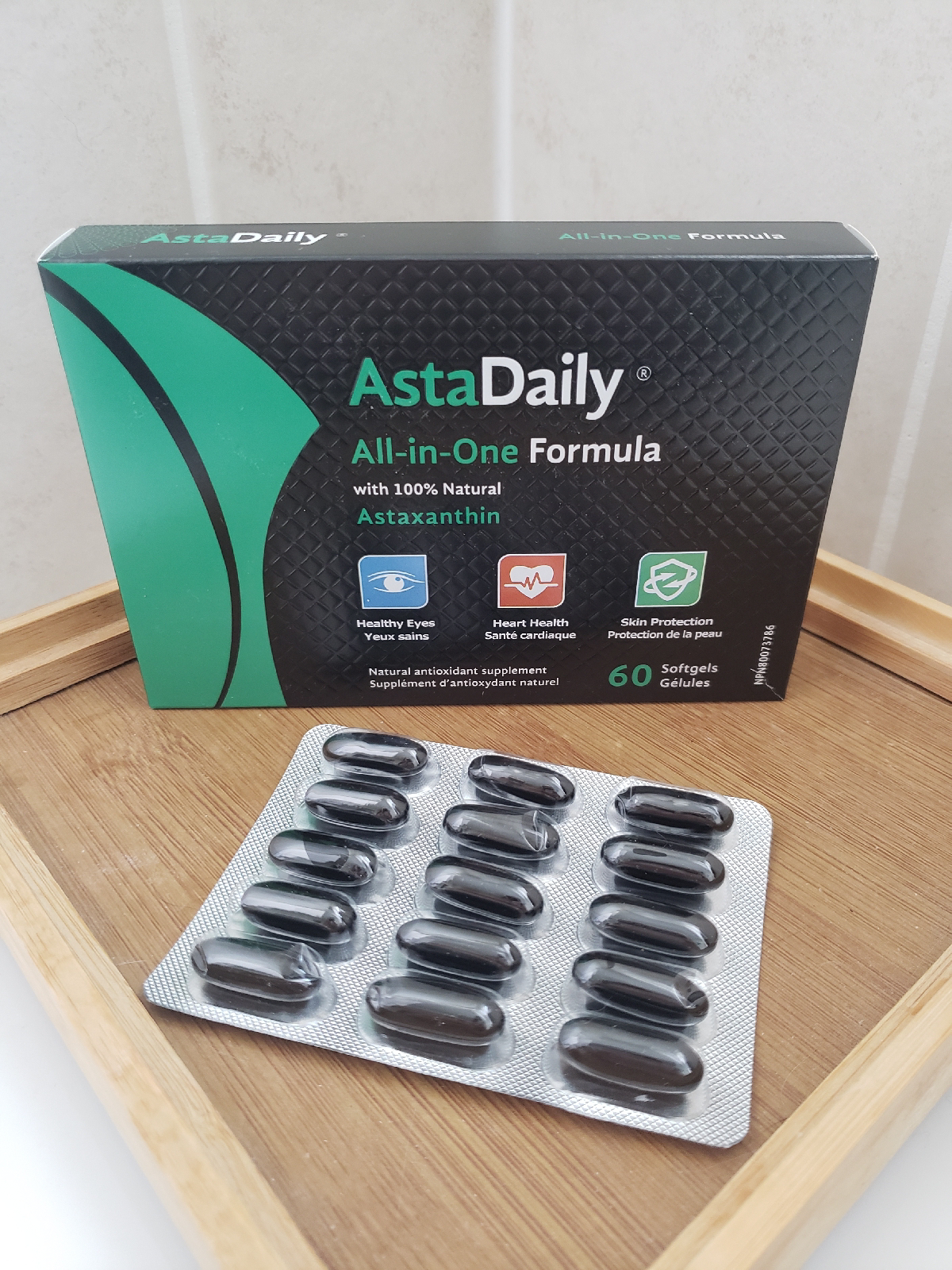
Give The Gift Of Health With AstaDaily All-In-One Astaxanthin Formula for Eye, Heart And Skin Protection


Give the gift of health this holiday with AstaDaily's All-in-one Astaxanthin Formula for eye, heart and skin protection.

The antioxidant formula "helps to maintain eyesight in conditions such as cataracts and age-related macular degeneration; improves macular pigment optical density: maintains healthy hair, nail, mucous membranes, and skin; prevents biotin deficiency, and supports cardiovascular health."

I've been taking this supplement for just over 2 weeks now and the eye floaters that I suffer from have substantially reduced, I'd say they've reduced by about 50%. I've tried other eye supplements in the past but I have definitely had the best results with this supplement by far. 

The antioxidant formula also promotes heart health and skin protection.  I've taken all of the ingredients that are in this supplement at some point in my life, but I had to purchase them all separately, so this all-in-one formula is pretty fabulous! 


The key ingredients are:

❤ Astaxanthin 
❤ Lutein Esters 
❤ Blueberry 
❤ Resveratrol
❤ Biotin
❤ Vitamin C
❤ Vitamin E
❤ Zinc
❤ Fish oil


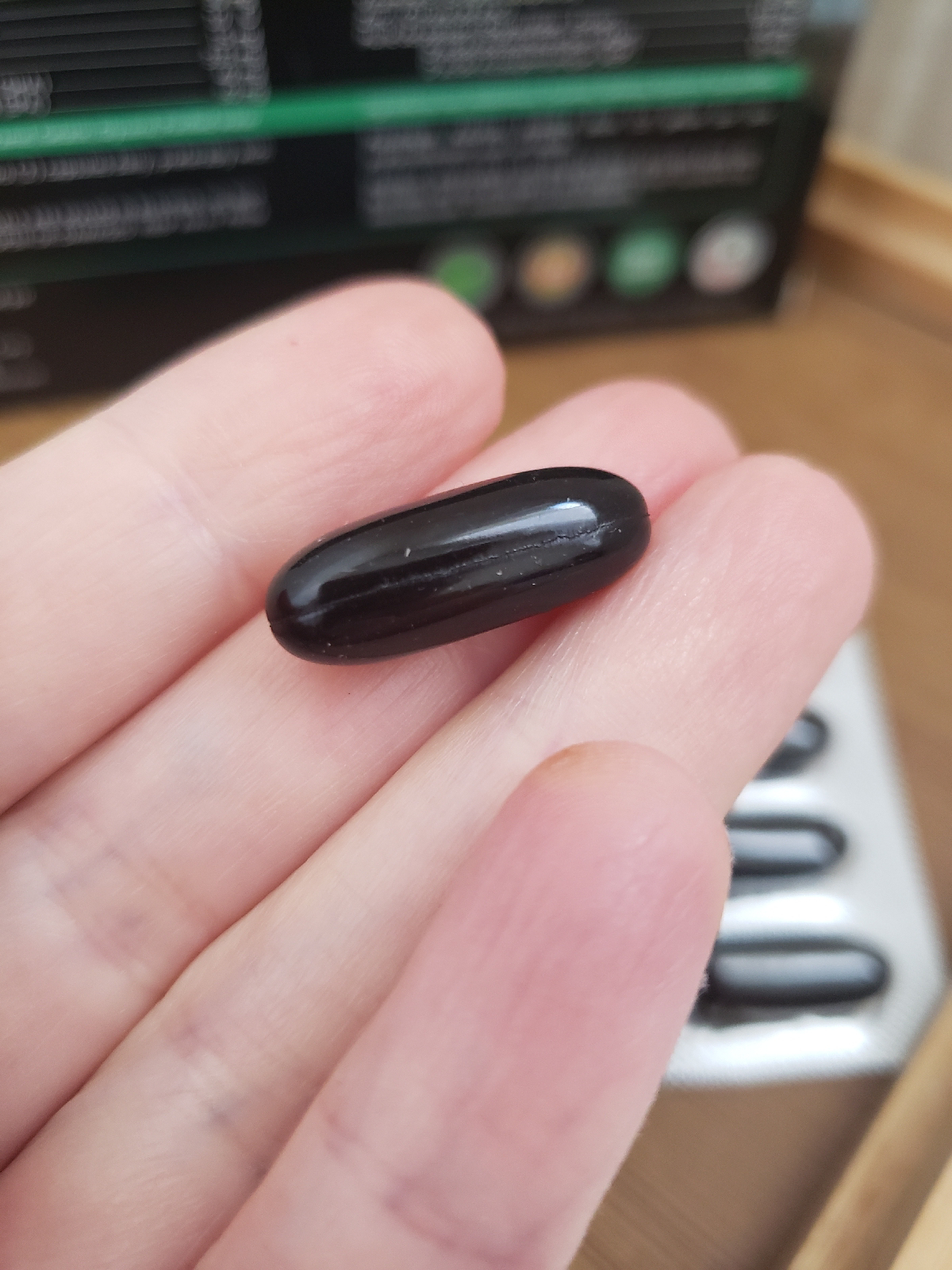
The convenient blister packaging is not only environmentally friendly but also great to take on-the-go so I never miss a dose. Each pack contains 60 softgels. I actually started with just one a day as I can sometimes have adverse reactions to supplements.  I'm happy to report that I've had zero negative reactions.

This is a well-rounded supplement and a great way to support your eye, heart, and skin health. 👀 ♥️ It would make a great stocking stuffer or gift from Santa, too. 🎅 ☺ I recommend 100% ✔ 


Visit astadaily.com to learn more or purchase.

Happy Holidays and happy shopping! 🛒


PR sample kindly gifted. 


Friday, April 23, 2021

Risk Factors and Common Symptoms of Colon Cancer


According to Cancer.net, the average age of colon cancer diagnosis in men is 68 years old, while 72 for women. While colon cancer is more common in older adults aged 50 and over, it can occur at any age.

Colon cancer is highly treatable if caught early enough. The symptoms of colon cancer don’t often appear until cancer has advanced. Therefore, it’s essential to regularly get screened for colon cancer to avoid reaching a stage when symptoms become evident and the cancer has progressed. Here are the risk factors to be aware of and the signs to look out for:

Risk Factors

While women and men are at equal risk for colon cancer, and it can happen at any age, there are personal, hereditary, and medical factors that may trigger the formation of cancerous cells or tumors.


Personal Risks

Age – The risk of colon cancer does increase with age. If you are 45 years or older, consider getting screened for colon cancer.

Weight – Obesity or being overweight increases your risk for colon cancer. Being an unhealthy weight means higher fat and insulin levels that may cause inflammation, contributing to cancer cell development.

Diet – High consumption of red meat, processed meat, and alcohol makes you at high-risk for colon cancer. The toxic preservatives in certain foods are controversial as contributors to cancer. To help prevent colon cancer, eat diets that are high in fresh fruits, non-starchy vegetables, whole grains, and fish high in omega-3 fatty acids. 

Personal medical history – Inflammatory bowel disease (IBD) such as Crohn’s disease and ulcerative colitis affects your colon, increasing your colon cancer risk. People with IBD typically get screened for colon cancer 8-10 years after they are first diagnosed.


Family Medical History

First-degree and close relatives – First-degree relatives are family members who share about 50% of your genes. Your parents, siblings, and children are your first-degree relatives. Close relatives that would be listed in a complete medical record would include your grandparents, aunts and uncles, nieces and nephews, and first cousins. About 20% of colon cancer patients have close relatives with colon cancer. Therefore, if any of your first-degree or close relatives have colon cancer, you have a higher risk for colon cancer.

Inherited conditions - The following are rare conditions that are inherited from family members that put you at a higher risk of colon cancer:


  • Familial adenomatous polyposis (FAP)
    • Gardner syndrome
    • Attenuated familial adenomatous polyposis (AFAP)
  • Lynch syndrome
    • Muir-Torre syndrome
    • Turcot syndrome
  • Juvenile polyposis syndrome (JPS)
  • Peutz-Jeghers syndrome (PJS)
  • MYH-associated polyposis (MAP

Symptoms

The following are general symptoms caused by many medical conditions, including colon cancer. If you are experiencing any of these, it does not automatically mean you have colon cancer. Any of these signs or a combination of symptoms are indicators that it’s time to see your doctor for screening:


  • Unexplained change in bowel habits, including persistent constipation or diarrhea
  • Constant fatigue
  • Iron-deficiency or anemia
  • Bloody stool. Unusually bright red or dark excrement may indicate blood
  • Unusually shaped stool. Stool that may be thinner than usual
  • Chronic abdomen discomfort, including cramps, bloating, and gas pains
  • Unexplained weight loss


To learn more about the different colon cancer screenings performed by gastroenterologists, contact Gastro-MD with two convenient locations, serving Orlando and Tampa. We strive to build a community of cutting-edge clinical gastroenterology practices and set the standards in digestive health care.


Sunday, June 7, 2020

Self-Care During Quarantine: 5 Ways to Use Your Beauty Routines to Make Time for You!


Self-Care During Quarantine: 5 Ways to Use Your Beauty Routines to Make Time for You!


Hi Everyone! A few weeks ago, Amy shared some awesome tips to keep our stress levels low while practicing social distancing.

I’ve been thinking a lot about how simple beauty routines have become a form of serious self-care during quarantine. If you’re like me and you’re finding a lot of your routines have been interrupted in a big way right now, I’ve got 5 tips that will hopefully help you feel a little pampered and a lot more in control while we’re all hunkered down.

So, let’s dive in and look at some ways we can stay feeling fabulous even when things are stressful!


1. Self-Care Pro Tip: Take All the Time You Need

What do I mean by this exactly? Well, self-care can look like a lot of things to a lot of different people. For many of us, right now is the time we’re finding we have a lot of unexpected free time on our hands. Why not use some of it to take your time doing daily tasks you normally have to rush through! My favorite way to do this is to take a longer shower.

Try it out! Instead of rushing through washing your hair, try giving yourself a gentle scalp massage for a few minutes. Check out that new deep conditioning treatment or face mask you’ve been wanting to take a crack at! One of my favorites is to take a few extra moments to rub my shoulders and neck under the hot water.

It’s okay to slow down, savor the time you have to do these basic everyday tasks, and really find the joy in them. One way I added some extra self-care and fun to my shower routine was buying a LED shower head and Bluetooth speaker.

Hey, my shower concerts are full blown productions!

And that’s okay. Find the fun and joy in slowing down and take this opportunity to savor moments you wouldn’t get to otherwise.


2. Self-Care Pro Tip: Looking Good for You!

This one came to me unexpectedly, but about a week into sheltering in place I realized how badly I missed putting on makeup! For some people, makeup isn’t their preference (although I have a feeling that if you’re here reading Health and Beauty Girl you might be a huge fan of it like I am).

Even if you have nowhere to go but the living room, try taking some time to get done up. This is a great time to experiment with new makeup. Try a fun look, check out some interesting trends, and do whatever makes you happy.

I make a point every morning of sitting down with my favorite podcasts, drinking my coffee, and doing my makeup. Even though it only takes up a little time out of my day, I spend the rest of the day feeling so much better and my self-esteem goes through the roof.

Makeup is a great form of expression and I definitely recommend taking some time right now to express yourself! 


3. Self-Care Pro Tip: Don’t Forget the Basics!

While Instagram can make self-care look aesthetically pleasing, with perfectly laid out bubble baths and amazing flat lay photos of products people are loving, we can’t forget that often self-care is doing what you need on a basic human level. A full face of makeup may not do you much good if you haven’t brushed your teeth and hair today.

One of my favorite self-care moments in the day is brushing my teeth. I know it sounds odd but taking the time to do a full dental routine with a 2-minute brush, floss, mouthwash, and even teeth-whitening makes me feel so much better. The same goes for doing my skincare, combing my hair, and putting on a fresh outfit even if that means yet another pair of sweatpants.

If you’re feeling down and struggling, try even the basics. If a shower is too much, try splashing some water on your face or using a makeup wipe to get your skin at least semi-clean. If a full dental routine is too much, try taking the time to brush your teeth. It sounds simple but when people are really down these little things can make a monumental difference in their outlook on the day. If you’re feeling down, check in with yourself and ask what little beauty routines you can do to feel better.


4. Self-Care Pro Tip: Treat Yourself!

Have a new skincare product you wanted to try that’s normally out of your price range? Had a new beauty item in your cart forever and can’t bring yourself to buy it? Friend, treat yourself!

A lot of the ways people usually treat themselves-- restaurants, shopping, travel-- are all off the table right now. It’s okay if you want to splurge on a product you ordinarily would not.

Not sure what to get? Try shopping with online retailers that let you include samples of products at checkout! This may be one of the easiest ways to discover something new you’ll love. Or! Buy a travel or mini size of a product first to make sure you like it. These are often cheaper and you likely won’t have overspent if it turns out you don’t love that product after all.


5. Self-Care Pro Tip: Stick to a Routine

For me, sticking to a routine means that I do my skincare every morning and every night. A lot of my routines are thrown off right now. My eating schedule, my work schedule, my sleep schedule. It helps to pick an aspect of your beauty routines and make sure you stick to them. Whether this is skincare, makeup, a once a week hair treatment, etc. Find something in your beauty routine and make sure you commit to sticking to that routine whenever possible.

Set it up like a goal for yourself. You’ll feel proud of yourself when you accomplish the small task and help do something to beautify your day at the same time! It’s a win-win. 


Now I want to hear from you!

Comment below and tell me what beauty and self-care tips have been your favorites recently!


About the Author:
Alaina Lightfoot
Owner/Beauty Content Blogger
Alaina Lightfoot Freelance https://alainalightfoot.com/


#guestpost 

Occasionally, Health and Beauty Girl works with Authors who write content that we love and want to share with you! We hope you love them, too!

Monday, December 10, 2018

Healthy is Beautiful, Beautiful is Healthy: The Relationship Between Health and Beauty


Healthy is Beautiful, Beautiful is Healthy: The Relationship Between Health and Beauty


In the current age of social media, it is easy to get caught up in skewed perceptions of our physical self. Societal ideals of beauty focus heavily on vanity, rather than what is truly important, the inner self. Rather than vanity, beauty is found in the things which make us happy and whole. But how does one recognize the importance of maintaining their health in order to change their perception of beauty?

Owning a practice with a focus on both physical and spiritual health, Dr. Paramjit “Romi” Chopra of MIMIT Health encourages patients to recognize their health as important and beautiful. Dr. Chopra combines both holistic and modern health practices, to treat the body as a vessel which needs the utmost quality of care. The meaning of beauty, he believes, is not limited to concepts of vanity, but exists within the person.

Health is one of the most, if not the most, important thing we have in life so without our health, what do we have? Despite the ideals that have been instilled in us for decades from society and pop culture, there are ways to turn correct them and learn that being healthy is the best way to be beautiful. Dr. Chopra has tips on recalibrate the brain to that way of thinking.

Mind and body balance: When a person is able to find a balance between mind, body, spirit and emotion, there is harmony. If those four components fall out of balance, it can lead to negative effects on overall health. Through holistic and modern medicine, it is instilled through self-care and lifestyle how to strike that balance and maintain it. Finding this balance creates a harmony that projects inner and outer beauty

Self-care: Self-care is key to learning that healthy equates to beauty because it allows one to be in tune with what their body is trying to tell them. It is about assessing what stressors and factors might be contributing to the cause of the aliments the body is fighting. If we are able to identify the outside factors, such as stress, lack of sleep, etc., then it is easier to take the steps to change those factors and find a level peace within oneself. When at peace, the inner health radiates out to reflect beauty on the outside.

Lifestyle: Lifestyle is very similar to the act of self-care. While self-care is being aware of what the body is trying to tell us and correcting it, lifestyle is about incorporating self-care into everyday life to establish a continued balance. Maintaining a balanced lifestyle can consist of a number of components ranging from taking a daily prescription to adjusting diet and exercise routines. If there is nothing to release serotonin and endorphins the body will feel stagnant and heavy, which creates a negative outlook of self. With a balanced schedule that includes proper sleep schedules, exercise and eating right, the body will find its balance on the inside, which is exuded outward with clearer skin, better mood, etc.

Know yourself: Everyone is born with different bodies; tall, short, broad, lanky, etc. Being in tune with how your body helps us determine what will make you healthy. Finding not only a balance of diet and exercise that works for an individual body type, finding a balance of doing things on the day to day that makes you happy will help project your inner peace and beauty outwards. If we spend all our time working and not engaging in things that make us happy, the body will not only not be healthy but it won’t feel beautiful as a result. Burning the candle at both ends won’t work easy, balance is key.

Despite the standard of beauty set by society, there are a number of ways to correct that train of thought. Knowing that you are healthy should be the key to feeling beautiful, and being healthy is the key to projecting inner health outwards. Balance of mind, body and soul is one of the best ways to bring inner and outer beauty together in harmony. To be balanced and healthy is the new definition of being beautiful.


About Dr. Paramjit “Romi” Chopra, M.D:
Dr Romi Chopra is an interventional radiologist with over 30 years’ experience in the field of interventional radiology and endovascular therapy. The standards for his daily work were set after completing his medical studies and training in Mumbai, India, followed by his fellowship and residency at Brigham and Women’s Hospital and Harvard Medical School in the US. After working extensively in academia and research, Dr. Chopra became one of the youngest heads of an interventional radiology department in the US. Eager to share his experience, he placed great emphasis on training and introduced a wide range of education and research programs for students, colleagues, and residents. At the same time, however, he was committed to keeping the focus firmly on patient needs at all times.

Dr. Chopra opened the Midwest Institute for Minimally Invasive Therapies (MIMIT) in 2004. As an interventional radiology and endovascular therapy practice, MIMIT specializes in minimally invasive treatments for arterial disease such as peripheral artery disease (PAD), uterine fibroid disease (UFE), venous disease and musculoskeletal disease (spine interventions).

Dr. Chopra believes the path to long-term success lies in treating patients’ spirit, mind and body – not just their medical conditions. His institute has given him the opportunity to create a well-thought-out environment where patients and their families can feel calm, get the information they need and be treated with cutting-edge healthcare technologies.


*Guest post. Not sponsored
End of code